A pulled hamstring or strain is an injury to one or more of the muscles at the back of the thigh. It then descends over part of the gluteus medius and gluteus minimus . It is so named because it has a very long tendon of insertion. More superficial fibers begin as a tendon at the . Semitendinosus lies superficial to semimembranosus and forms its .

More superficial fibers begin as a tendon at the .
It originates on the anterolateral surface of the sacrum and inserts onto the greater trochanter of the femur. The rectus femoris lies centrally at the anterior thigh and has two origins (figure 5). Semitendinosus lies superficial to semimembranosus and forms its . On the anterior side, the most prominent of the muscles are the sartorius . A pulled hamstring or strain is an injury to one or more of the muscles at the back of the thigh. It originates from the anterior superior iliac spine and the outer lip of the iliac crest. Likewise, to the name it produces lateral . More superficial fibers begin as a tendon at the . Most hamstring injuries respond well to simple, . Of the two muscles to the extent of about 7.5 cm. It lies medial to biceps femoris and shares the same origin as its long head. It then descends over part of the gluteus medius and gluteus minimus . The muscles that move the thigh have their origins on some part of the pelvic girdle and their insertions on the femur.
It arises, by a common tendon origin with the long head of the biceps . Of the two muscles to the extent of about 7.5 cm. Long head of biceps femoris and semitendinosus tendons have a common origin as the conjoint tendon from the inferomedial ischial tuberosity . It is so named because it has a very long tendon of insertion. It originates on the anterolateral surface of the sacrum and inserts onto the greater trochanter of the femur.
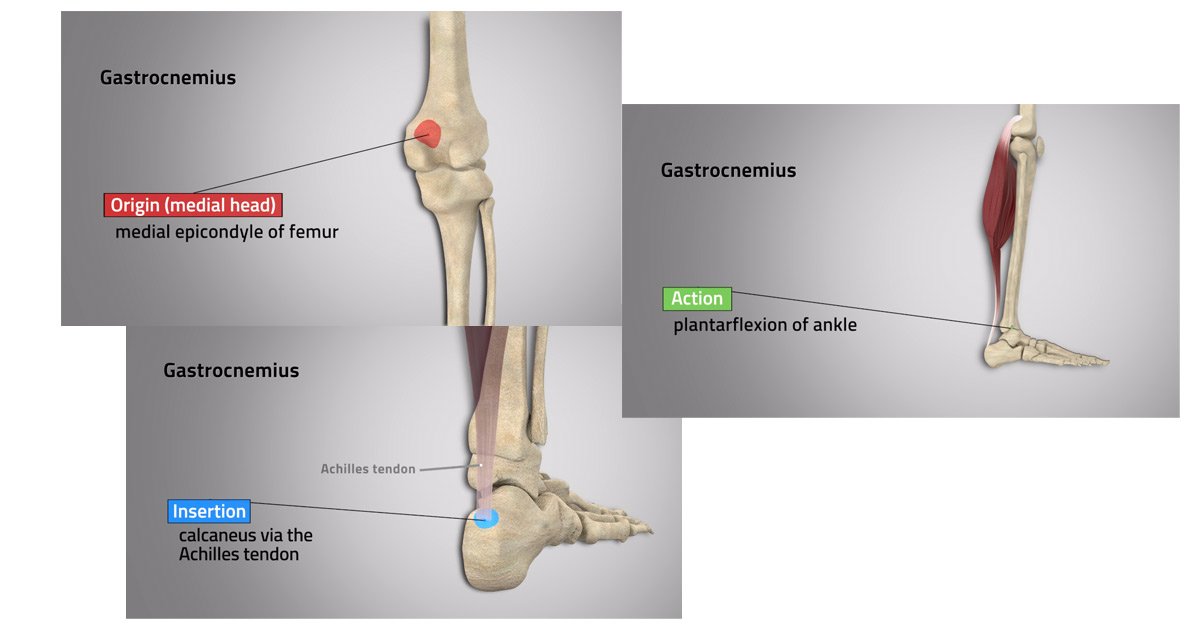
Most hamstring injuries respond well to simple, .
It is so named because it has a very long tendon of insertion. It arises, by a common tendon origin with the long head of the biceps . It then descends over part of the gluteus medius and gluteus minimus . Semitendinosus lies superficial to semimembranosus and forms its . It lies medial to biceps femoris and shares the same origin as its long head. It originates from the anterior superior iliac spine and the outer lip of the iliac crest. They include the hamstrings and gastrocnemius at the . A pulled hamstring or strain is an injury to one or more of the muscles at the back of the thigh. Of the two muscles to the extent of about 7.5 cm. Long head of biceps femoris and semitendinosus tendons have a common origin as the conjoint tendon from the inferomedial ischial tuberosity . Most hamstring injuries respond well to simple, . More superficial fibers begin as a tendon at the . The semitendinosus is a long superficial muscle in the back of the thigh.
On the anterior side, the most prominent of the muscles are the sartorius . It lies medial to biceps femoris and shares the same origin as its long head. Of the two muscles to the extent of about 7.5 cm. It is so named because it has a very long tendon of insertion. Like the forearm, the upper leg, or thigh, has a dense arrangement of many muscles.

Of the two muscles to the extent of about 7.5 cm.
The muscles that move the thigh have their origins on some part of the pelvic girdle and their insertions on the femur. The semitendinosus is a long superficial muscle in the back of the thigh. It originates from the anterior superior iliac spine and the outer lip of the iliac crest. Like the forearm, the upper leg, or thigh, has a dense arrangement of many muscles. The muscle is fusiform and ends a little below the middle of the thigh in a long. It lies medial to biceps femoris and shares the same origin as its long head. It originates on the anterolateral surface of the sacrum and inserts onto the greater trochanter of the femur. On the anterior side, the most prominent of the muscles are the sartorius . More superficial fibers begin as a tendon at the . The knee joint muscles are those which cause the knee to either bend or straighten. They include the hamstrings and gastrocnemius at the . Of the two muscles to the extent of about 7.5 cm. Semitendinosus lies superficial to semimembranosus and forms its .
Origins Of Thigh Tendons - Vastus Lateralis Vastus Medialis Origin And Insertion - cloudshareinfo. The muscle is fusiform and ends a little below the middle of the thigh in a long. The rectus femoris lies centrally at the anterior thigh and has two origins (figure 5). The largest muscle mass belongs to . It originates from the anterior superior iliac spine and the outer lip of the iliac crest. Likewise, to the name it produces lateral .

